Table of contents
Open Table of contents
Article body
The character values a computer can represent range only from 0 to 255. We use far more characters across different languages, so we need to convert them into something the computer understands: bits. With that introduction out of the way, let’s get to the point.
Let’s use an example to explore encoding and decoding in Java.
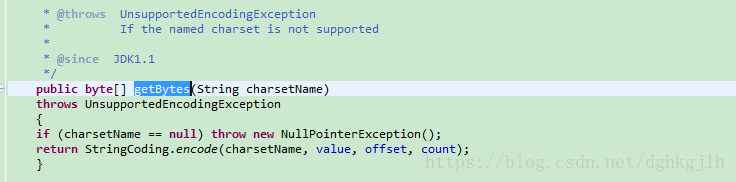
For example, Java’s String.getBytes method converts a string to a byte array by calling StringCoding.encode, as shown below.
Next, StringCoding calls into java.nio.charset, where lookupCharset() looks up the corresponding character encoding, such as UTF-8 or GBK.
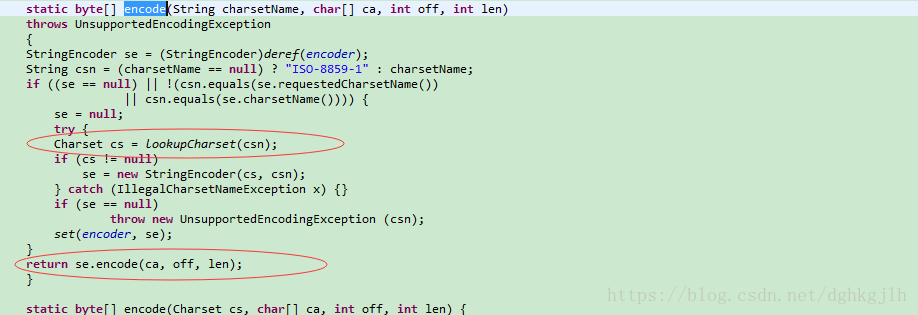
After resolving the encoding name, it creates a StringEncoder and calls its encode method. At the lowest level, it calls Arrays.copyof(), which creates and returns a byte[].
That is the process of converting characters to bytes. Converting bytes back into characters follows a similar idea, so I won’t go through it again here.
Note: Java’s character-to-byte and byte-to-character conversions all follow this underlying process.